
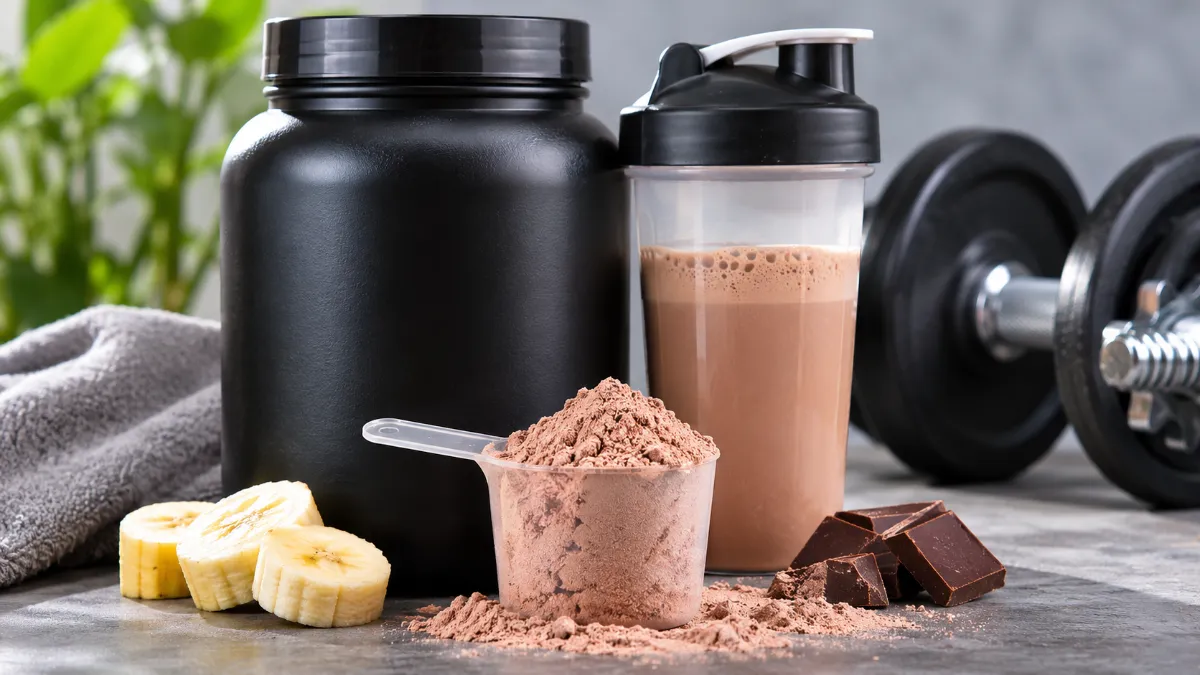
Protein powders provide a highly concentrated form of dietary protein to support meeting the daily requirement for protein intake if food sources alone do not supply sufficient amounts. While protein powders can assist with maintaining and repairing muscle tissue, they cannot generate muscle mass unless they are consumed in conjunction with suitable exercise and sufficient total caloric intake. There are several types of protein powders available, including whey, casein, soy, pea, and various combinations of plant-based proteins. Choosing the best type of protein powder for an individual depends on many factors such as dietary restrictions (i.e., allergies), financial constraints, and current levels of protein consumption.
What Is Protein Powder and How Does It Work?
Protein is extracted by manufacturers from milk, plants, or other sources, and then processed into a powdered form that can be mixed into water, milk, or foods.
Proteins during the digestive process split up into individual amino acid units. The body can use these individual amino acid units to build and maintain its tissues; create necessary chemicals; and repair muscle tissue damaged from physical activity. 9 amino acids are referred to as essential. They are referred to as essential because the body is unable to synthesize enough of them to meet its needs. One way to determine how good a quality protein source is is based on whether it provides the correct proportion of the essential amino acids.
The advantage of taking a supplement lies in its convenience. Supplements are not necessarily better than eating high-protein foods such as eggs, yogurt, lentils, tofu, fish, etc.
Main Types of Protein Supplements
Whey Concentrate and Whey Isolate
Whey is produced from milk and contains all 9 of the “essential” amino acids. Whey concentrate typically has more lactose and fats than whey isolate; however, there are many variations of each type of product. Whey isolate has undergone further processing and therefore has a higher percentage of protein per unit weight. Some individuals who have a sensitivity to lactose can sometimes handle some types of whey isolate. However, neither type of whey product will be suitable for an individual who is allergic to milk protein.
Casein Protein
Casein is an additional complete protein derived from milk. Casein is slower digesting than whey, so it can be a good choice for someone looking to drink a larger, more satisfying shake, or to have protein in-between meals. Claims that consuming casein before bed is required for muscle development are beyond what has been demonstrated by research.
Plant-Based Options
Soy provides a good source of all-natural complete protein from plants. Pea, rice, and blended plant-based formula can also contribute to meeting daily protein requirements. Because some individual plant-based food items do not contain as much of certain essential amino acids, eating a variety of plant-based foods or using complementary plant-based blends will assist in fulfilling your nutritional needs.
Benefits: What Can It Actually Do?
The main advantage of using this type of product is that it will be much easier to find an alternative to eating a full meal after a long day at work, on the road, or if you simply do not feel hungry enough to eat a larger amount. Additionally, for those who participate in weight-lifting activities, consuming enough protein each day will provide your body with the necessary nutrients to promote the muscle-building effects of your workout and help preserve lean mass.
The same is true for those on vegetarian or vegan diets as well, although most vegetarians and vegans are able to meet their nutrient requirements through the consumption of other foods such as legumes, soy products, dairy, eggs, nuts, and seeds.
Shake isn’t a weight loss solution. Weight control is based on your total calorie intake and establishing long-term health habits. If you use a lower-calorie shake as an alternative to eating a balanced meal, you will most likely be lacking in some areas such as fiber, healthy fats, and/or vitamins/minerals.
How Much Protein Do You Need Each Day?
Generally, healthy adults should take 0.8 g of protein per kg of their total body mass each day. The RDA (recommended dietary allowance) is a baseline level that meets minimum requirements for health and does not represent an optimal intake for all types of exercise or other factors. Most sports-nutrition recommendations suggest that athletes consume 1.2 to 2.0 g of protein per kg of total body mass each day, based upon the amount of physical exertion being performed and other individual variables.
For a healthy adult who weighs 70 kilograms, the baseline protein requirement would be 56 grams each day. An athlete can have a protein requirement ranging from 1.2 to 2.0 grams of protein per kilogram of body weight, which would equate to roughly 84 to 140 grams.
The National Institutes of Health (NIH) Office of Dietary Supplements provides general guidelines for how much protein is required for athletes, and also offers insight into the role of protein in supporting post-exercise recovery. Individual requirements for protein intake can vary significantly based on factors such as pregnancy, age, illness, or medical treatments. In these instances, an individual may require assistance from a health professional like a registered dietitian to determine appropriate levels of protein consumption.
Office of Dietary Supplements
How Much Should One Serving Contain?
A lot of people like to use a portion of about 20- 30 g of protein, but you don’t have to use a specific scoop size. Check the “Nutrition Facts” or “Supplement Facts” label to see how much protein each scoop contains. You should calculate the difference between your daily protein intake goal and the amount of protein you consumed prior to mixing.
When Should You Take It?
It’s not about the exact number of minutes that elapse post-exercise; it’s about what you eat throughout the day. Although taking in protein near or at the time of your workout is practical, if you miss out on eating during the assumed 30-minute post-workout period, your hard work will not disappear. Rather, attempt to consume protein-rich meals throughout the day in accordance with your schedule.
For example, for breakfast there may be an option to eat yogurt or tofu; for lunch there may be an option to have beans or chicken, and for dinner you will receive a second large portion. Shakes would make sense if your other three meals did not fulfill your daily nutritional requirements.
How to Choose a Safe, Useful Product
First, determine how much protein there is per serving. Next, look at the number of calories, added sugar, possible allergens, and other components. Do not base your decision on tub size when comparing prices. Instead, compare the price for each gram of protein in each product. Be sure to check the expiration date, and store the product according to the directions once you open it.
In the United States, dietary supplements are not certified for safety and efficacy before being sold. This is what the FDA stated in its dietary supplement guidelines. Certification from an independent source may offer extra protection regarding testing and manufacturing; however, there is no guarantee that a product will be safe for all individuals.
FDA
If you are a competitive athlete and want to find products that have been tested by a third party (such as the NSF), then use the NSF Certified for Sport directory to look up specific products. Make sure to confirm the exact product and, if possible, the lot number of the product. Do not rely on a generic logo in an ad. If you live in India, check the FSSAI labeling and licensing requirements for the product. Also, avoid buying from sellers who claim their product can cure serious diseases.
NSF International Certified for Sport®
Who Should Be Especially Careful?
People with kidney problems, restricted protein intake due to prescription, food allergies, and/or other medical issues should consult their health care provider before increasing their intake. Pregnant women, lactating mothers, and adolescents should not assume that the nutritional recommendations provided for adults using sports supplements apply equally to themselves.
Milk products can trigger allergic reactions. Powders that contain lactose can result in gastrointestinal problems for individuals with sensitive stomachs. Big portions of food, and/or the use of specific sweeteners, can lead to bloating or diarrhea. If you begin to notice adverse effects from consuming a product, stop taking the product and consult with your doctor.
Common Buying and Usage Mistakes
Other examples include: selecting based only on marketing claims, ignoring serving size, neglecting allergies, and buying from untrustworthy suppliers.
Prior to purchasing, assess what you normally consume over a few days. If the food you currently eat is sufficient, do not purchase additional products. If you find a deficiency in your diet, select a product that you are able to tolerate; check the product’s label; and begin by consuming a standard amount of the product instead of double scooping.
- Read more: Protein Powder
Frequently Asked Questions
Is Protein Powder Good for Beginners?
Yes, it can be useful for beginners who cannot meet their protein needs through meals. It is optional, however. Establish regular eating habits and a suitable exercise routine before assuming a supplement is necessary.
Can You Take It Without Working Out?
Yes. Protein is needed for normal body functions even without exercise. A shake may help someone with inadequate dietary intake, but it will not independently create the muscle growth associated with resistance training.
Is Whey Better Than Plant Protein?
Neither is best for everyone. Whey offers a complete amino acid profile and mixes conveniently. Soy and thoughtfully formulated plant blends can also support adequate intake. Allergies, dietary preferences, and total nutrition matter more than labels.
Can Protein Supplements Damage Your Kidneys?
Typical recommended intakes have not been shown to damage healthy kidneys, but people with kidney disease may need restrictions. Very high long-term intakes deserve caution because evidence is limited. Ask a healthcare professional about personal risks.
Can You Use a Shake Every Day?
A daily shake can fit a balanced diet when it helps meet an actual protein need. Check ingredients and total intake, maintain variety in your meals, and avoid relying on shakes for most of your nutrition.


